Guiding Biodiversity Conservation in Washington State
Joe Rocchio, Program Manager of the Washington Department of Natural Resources, Natural Heritage Program
April 9, 2026 7:00 pm, Lacey Community Center
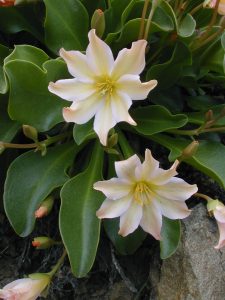
Washington’s beautiful landscapes support a tremendous diversity of ecosystems including marine eelgrass beds, tidepools, salt marshes, lowland rainforests, montane coniferous forests, subalpine and alpine meadows and parklands, shrub steppe, grasslands, prairies, sand dunes, riparian areas, forested swamps, vernal pools, marshes, fens and bogs. These ecosystems in turn support thousands of species, some of which are unique to Washington and not found anywhere else on earth. Much of this biodiversity is threatened by changes in land use, invasive species, climate change, and many other factors.
This presentation will introduce you to our state’s amazing array of biodiversity, discuss the stressors that threaten their long-term viability, and review how the activities of Washington Department of Natural Resources’, Natural Heritage Program play a critical role for informing and guiding biodiversity conservation in Washington State.
Water We Up To? The New Science of Washington’s Aquatic Reserves
Austin Greene, Ph.D., Lead scientist for Washington Department of Natural Resources, Aquatic Reserves Program
April 30, 2026 7:00 pm, Lacey Community Center
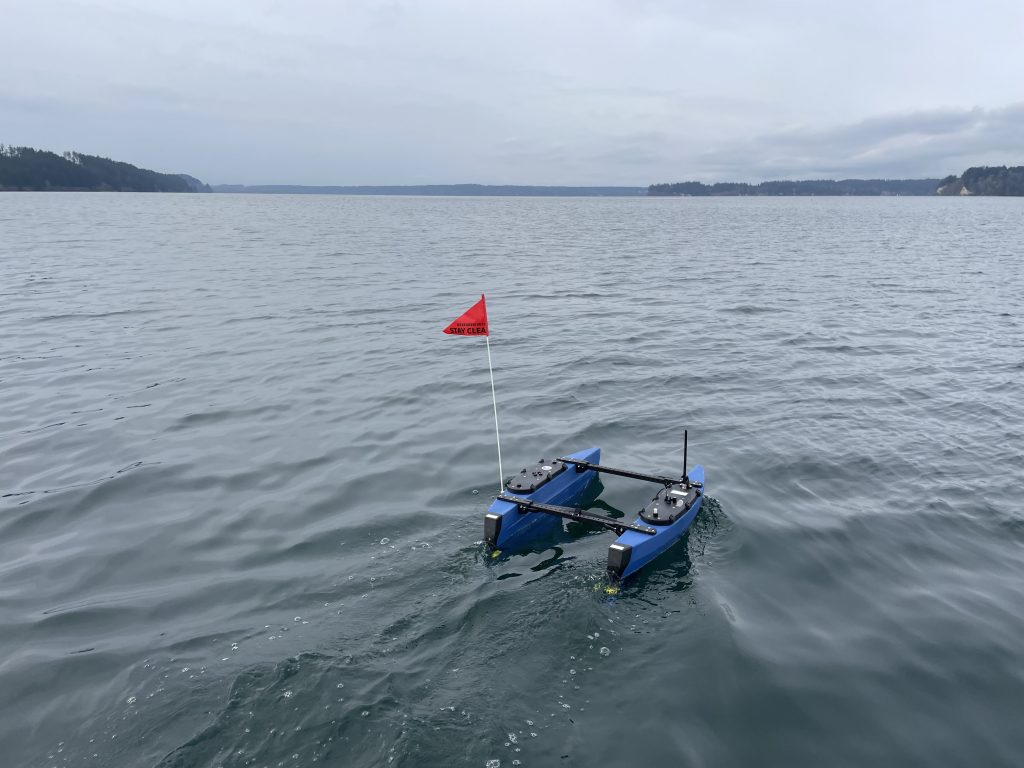
Austin Greene leads a team of scientists and technicians working to better understand the unique habitats on eight Aquatic Reserves in Washington and the impacts challenging the future of these ecosystems. In this presentation Austin will highlight some of the new methods being used to study aquatic lands on Reserves including a robotic surface vessel for mapping marine plants, underwater camera systems, autonomous reef monitoring structures (ARMS) and more. Preliminary results from select projects will be presented alongside an overview of upcoming research on Aquatic Reserves and the program’s value as a professional development experience for young scientists.
The BlueBoat, a robotic boat used by the Aquatic Reserves program to map marine vegetation
Washington Natural Areas Program: Conserving Washington’s Native Species and Ecosystems for Future Generations
David Wilderman, Lead Scientist for WA Department of Natural Resources, Natural Areas Program
May 14, 2026 at 7:00 pm., Lacey Community Center
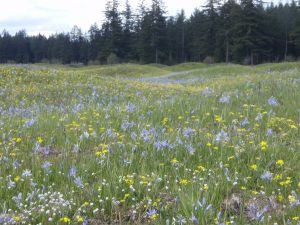
Take a tour of beautiful Natural Areas that showcase the extraordinary features these sites protect, then delve into some of the work being done to manage and restore these very special protected areas. David Wilderman will also share how natural areas have been designed to capture Washington’s plant diversity and ecosystems that also support a wide range of sensitive animals and birds as well.